One that’s worth more than a thousand stories.
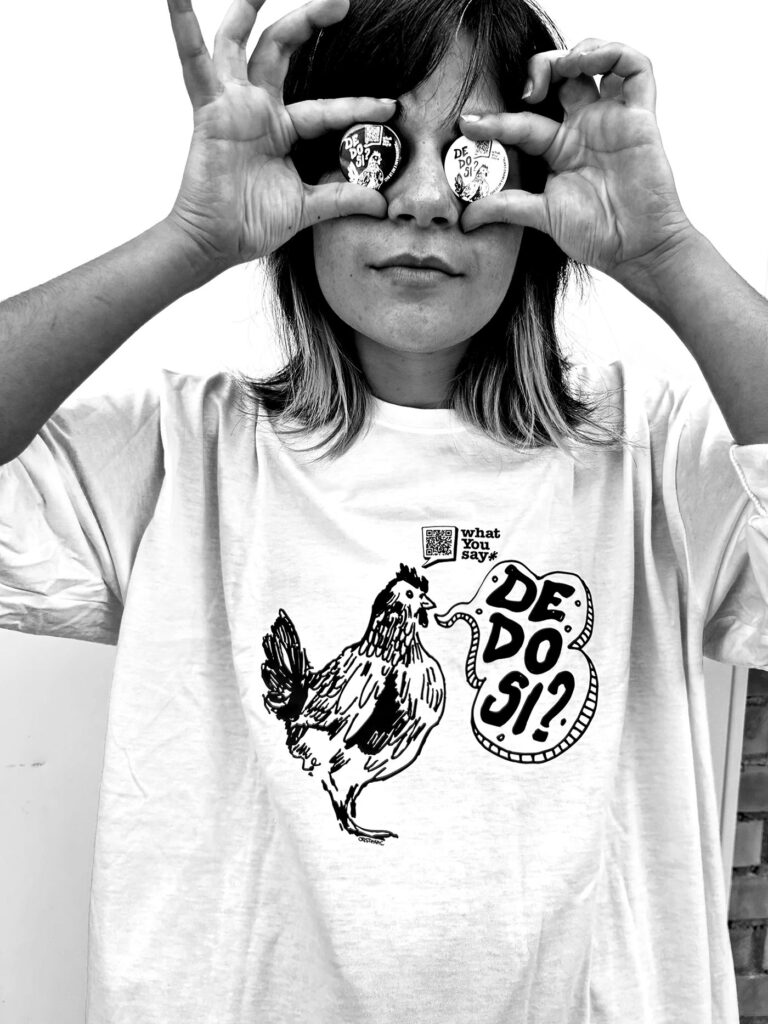
De do si?
MarcheLove is a project born in the Marche region. In a beautiful region, yet still little told. Made of villages and silences, craftsmanship and memory.
Through this journey of dialects, illustrations, and installations, we want to give voice back to the sayings that shaped us. Because dialect is not just language: it’s gesture, relationship, culture.
Being from the Marche
“Being from the Marche is a destiny.
It means existing in the world in a way that is both earthy and fantastical at the same time.”
— Cesare Catà
Being from the Marche is a strange balance.
Partly we keep our feet on the ground, partly we have our heads elsewhere. Partly we want to leave, partly we miss everything the moment we step out the door.
We live in a land that resembles paradise,
but without wanting to say it too loudly.
A land that has learned to be self-sufficient,
to speak little, to do a lot.

We have inherited a rough and beautiful language,
which we often feel embarrassed to use.
Too harsh, too rural, too “from the village”.
And yet that language is ours.
It is concrete and dignified.
It is made of pauses, gestures, expressions.
It is made to say things as they are,
and to laugh about them right after.
The Marche dialect is not meant to please.
It is meant to remain.
To remember.
To hold together an identity that changes but does not break.
“A desert so similar to paradise that it confuses the angels in their flight.”
— Cesare Catà
The language that pulses
It’s a language that is breathed before it is spoken.
That is learned by watching hands, reading glances, listening to pauses.
In the Marche, there isn’t just one Marche dialect. There are dozens. Sometimes very different from each other. The accent changes from valley to valley, from village to village. In some cases, two communities just a few kilometers apart speak languages that seem to come from different planets.
In Italy, there are estimated over 30 main linguistic varieties, and at least 6 distinct dialect groups in the Marche: from Gallo-Piceno to southern Marche, including Maceratese, Pesarese, Ascolano, Anconetano…
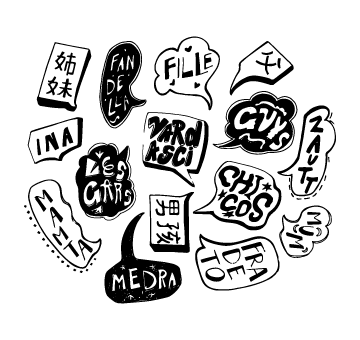
This linguistic mosaic is a fragile heritage,
at risk of quickly disappearing —
also because we often feel ashamed of our dialect.
We find it “ugly,” “rural,” “unpleasant-sounding.”
A word in dialect is a gesture,
an intention, a memory taking vocal form.
It is something that cannot be translated, because it contains a whole world.
In this language, there is no nostalgia, only presence.
No folklore, only substance.
No past, only body.
We want to listen to it as it changes.
As it mixes with the English of memes,
with the Italian of social media, with the silences of teenagers.
Not to save it, but to live it.
We are looking for words. Sounds. Expressions.
WhatYouSay is an artistic and relational project born from a simple question:
“How do you say it?”
But behind every local word, there is much more.
There is a story, a gesture, a bond. An emotional geography.
We are building an identity map of the Marche through dialects, sayings, and everyday expressions.
Not a fixed linguistic map, but a living map that grows thanks to those who explore it.

e tu come lo dici ?
Every installation in the villages, every product we create carries this question with it.
Through QR codes, t-shirts, posters, micro-sheets, and digital forms, we collect the answers. Every voice, every dialectal variation is a piece of the map we are building together.
WhatYouSay also aims to be a cultural and tourist tool: an invitation to discover the Marche villages through their words. We play with the contrast between dialect and English, between roots and contemporary life. To showcase the Marche through the voices of those who live there.
Help us collect words, sounds, expressions, memories.
Your “nothing” could be our starting point.
Villages as a living map
It’s not just a matter of beauty.
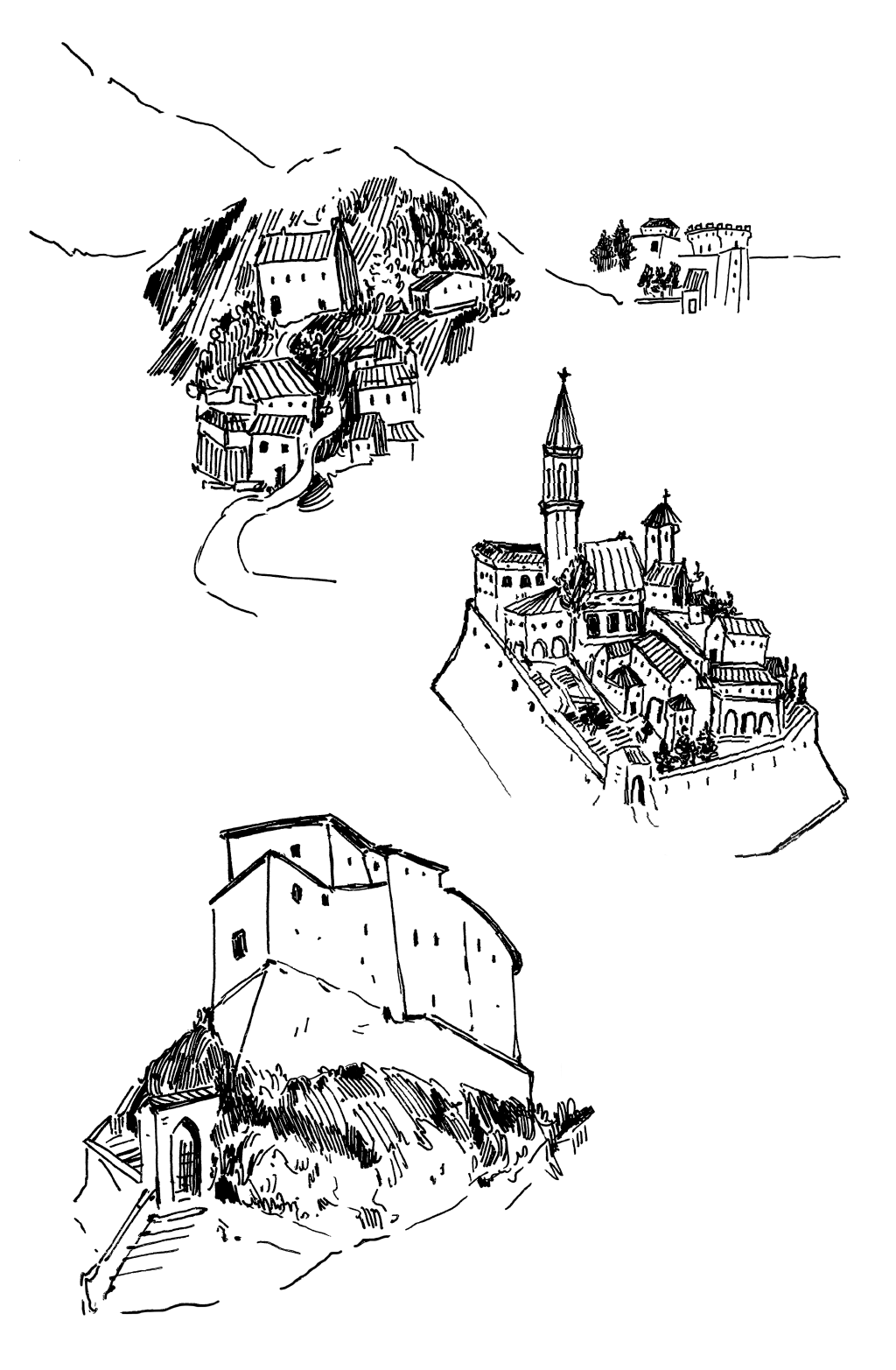
We choose villages because identity is felt here. It is lived. It is recognized. Dialect is not a dead language: it is a voice that walks through village streets, a greeting at the bar, a laugh of the vardasci, an “Eh Sci No” carried by the wind in your face.
In the villages, language becomes landscape.
Every stone, every alley, every voice helps tell who we are. Villages are not just a backdrop, but narrative devices:
spaces where memory is never entirely private.
Here we don’t impose a new story, but bring forward the one that already exists.
One word at a time. One story at a time.
Through light, relational, temporary installations
that integrate with architecture, community, and local history.
Every stop is a collection. Every collection is a new voice on our identity map.
Because our goal is not to preserve, but to regenerate relationships, memories, imaginaries.
It’s nothing. But it’s everything.
Things are done well and spoken softly.
We were born among those with golden hands and broken tongues. Among those who know, but don’t boast. Among those who create, but say “it’s nothing.” Among those who look at you and whisper: “Who even cares?”
We come from the edges of sentences.
From diminished stories, from forgotten dialects. And we carry with us the doubt that raised us.
What if dialect were art?
What if that rough word were truer than the dictionary? What if a QR code could open invisible worlds? What if an illustration could give a voice to those who have never written anything?
We don’t want to be modern.
We want to be sincere. We use digital tools like a hoe: to till, to bring to light, to dig into identity.
We are no longer ashamed of being “too rural.”
In those roots lies the only language that saves us: the one that speaks of us, without fear of sounding crooked.
WhatYouSay is not a melancholic memory.
It is a landing. The return of an ancient language into the contemporary world. The moment when even the shyest among us can say, with a clear voice:
“What you say, I haven’t forgotten.”