When Marchigiano sarcasm cuts your legs from under you
There’s a phrase that every Marchigiano carries tattooed on their soul (or rather, in their dialect).
You don’t need to shout it, you don’t need to get angry: just whisper it with the right tone and it will knock you out.
The phrase is:
Be careful, this is not a simple “I told you so”.
Everyone says that, in every language.
The “I do know I told you” instead is genuine from Marche: sharper than cold Verdicchio at 11 in the morning, more inevitable than a Sunday lunch that starts at noon and ends at night.
It’s the phrase your mom throws at you when you haven’t listened to her advice.
It’s the jab from your uncle who had predicted the end of your relationship.
It’s the final blow that your grandmother delivers with Olympic calm, while she continues to knead the vincisgrassi as if nothing happened.
Anatomy of an Expression
It’s a way to set the group’s hierarchy straight: the speaker was right, the listener has to swallow the bitter pill.
In a way, it’s the dialect version of the “mic drop”: words, silence, end of conversation.
And there’s always that touch of know-it-all.
Not aggressive, not mean, but subtly sharp.
A “it annoys me to always be right, but someone has to remind you.”
MarcheLove doesn’t translate. It reinterprets.
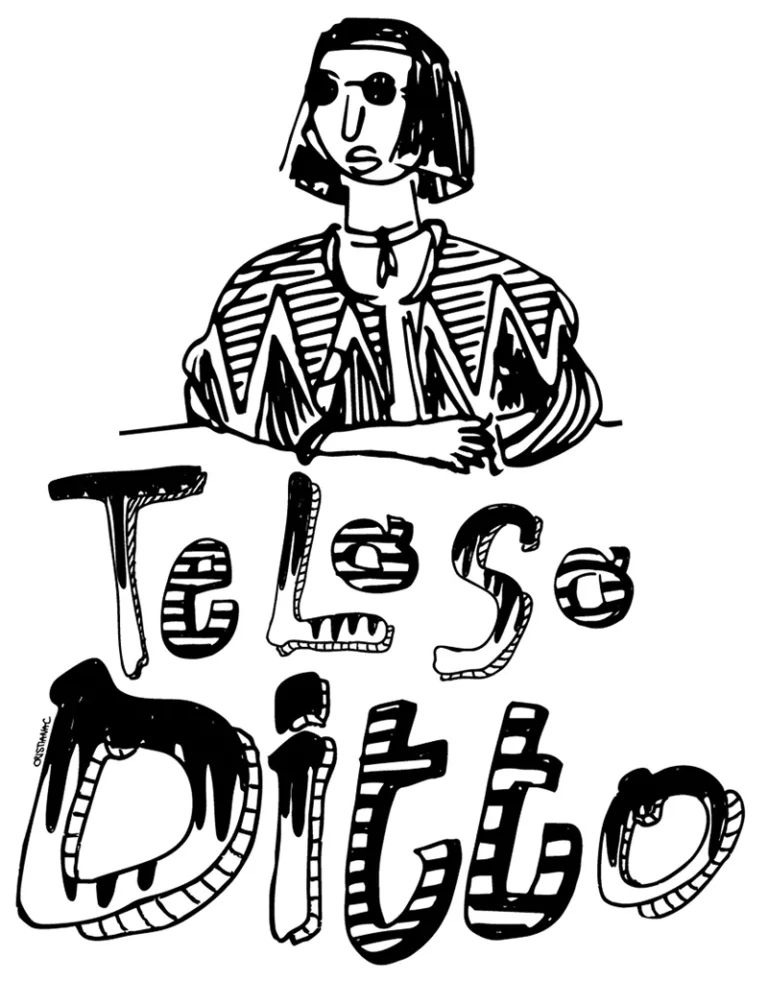
And so our “Te lo so Ditto” becomes:
“I hate to say I told you so. But I love being right in dialect.”
Because dialect isn’t a museum of old words. It’s a subtle weapon, still sharp.
It’s irony that persists.
It’s wisdom disguised as sarcasm.
The Philosophy of “Te lo so Ditto“
Perhaps, deep down, “I told you so” is also a Marchigian life philosophy.
It’s not just about being right: it’s a way to narrate the cyclical nature of mistakes, to remind us that life is made of falls and of those who watch you from above with their dialectal wisdom.
And so yes, you can sigh, you can get angry, but in the end…
you can do nothing but admit it:
Te lo so Ditto.