Li ‘Rmasti e li ‘Rcapati

Marchigian Relational Geography: Staying, Choosing, Clinging, Excluding

In meme-English, this might sound like “Leftovers, Picked Ones, Can’t Get Off This Ride, Wildly Unpairable”. But in the Marche dialect, these categories aren’t jokes: they’re shared social maps, everyday legends of how people relate within a territorial community.

‘RMASTI
0
How do you say it? Every word has a thousand shades. Share your version or tell us a story connected to this word.x
— The Leftlovers

Not “losers,” but witnesses to a relationship with time and space. Being a rmaste means staying in a place, in memories, in others’ gazes. It’s not a social desktop—it’s a cognitive-affective landscape. In this sense, the community is a semantic field where rmaste means “persistence,” historical attachment to a relational and territorial context.

‘RCAPATI
0
How do you say it? Every word has a thousand shades. Share your version or tell us a story connected to this word.x
— The Picked Ones

The root rcapato literally means a recovered scrap, but metaphorically it indicates someone who has found their place in the social-affective world. Not just “chosen”: processually selected by experience, history, and practices of attachment, arranging and giving back. Here, the dialect recognizes capacity for personal transformation: you are not just what you are, but what you become in relationships.

PICCICATI
0
How do you say it? Every word has a thousand shades. Share your version or tell us a story connected to this word.x
— Can’t Get Off This Ride

A corruption of appiccicati, it describes those who can’t stand being alone: “They’re always ppiccicati, gives me diabetes!” Being piccicati isn’t a flaw—it’s a phenomenological quality of intercorporeality: two bodies coexisting, responding, mirroring, sending continuous signals. Semioticly, it’s a sign of ongoing interaction: not an end, but extended coexistence.

FORASTECHI
0
How do you say it? Every word has a thousand shades. Share your version or tell us a story connected to this word.x
— Wildly Unpairable

From the popular Latin foras (“outside”), forastechi designates those who are “hard to pair,” shy, almost social fauna operating autonomously. Not marginality—it’s otherness, and in that otherness lies anthropological value. Here, community dialectics becomes social ecology: who stays, who stays out, who seeks, who refuses.

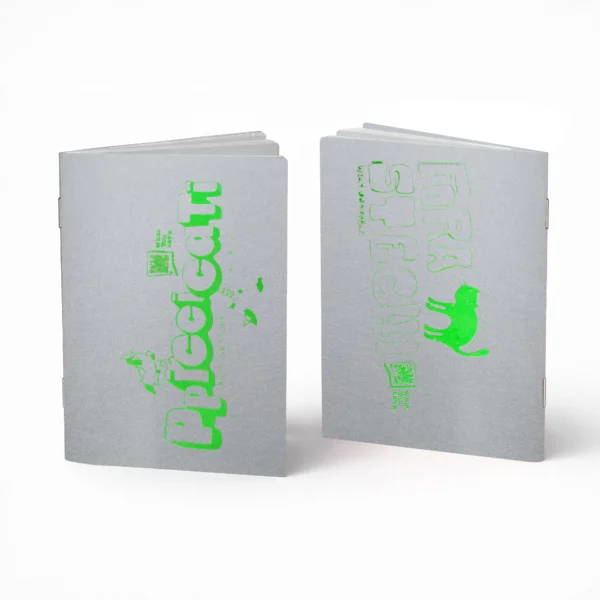
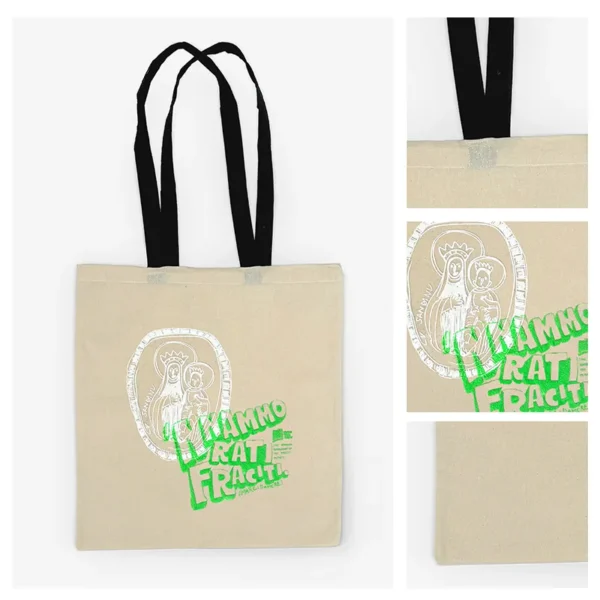
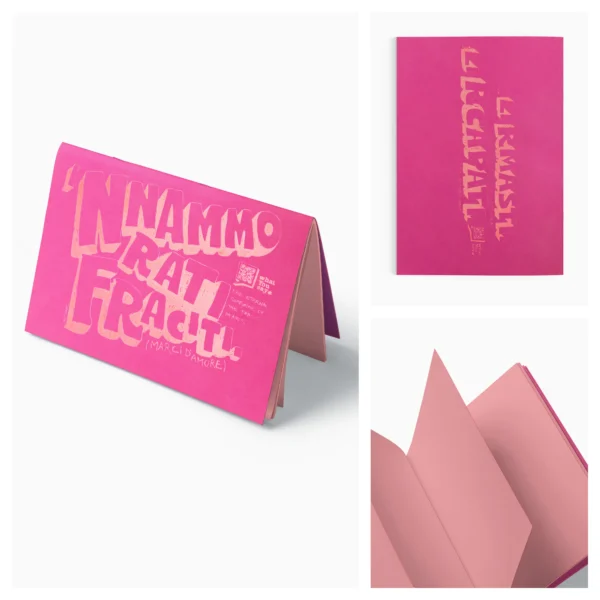
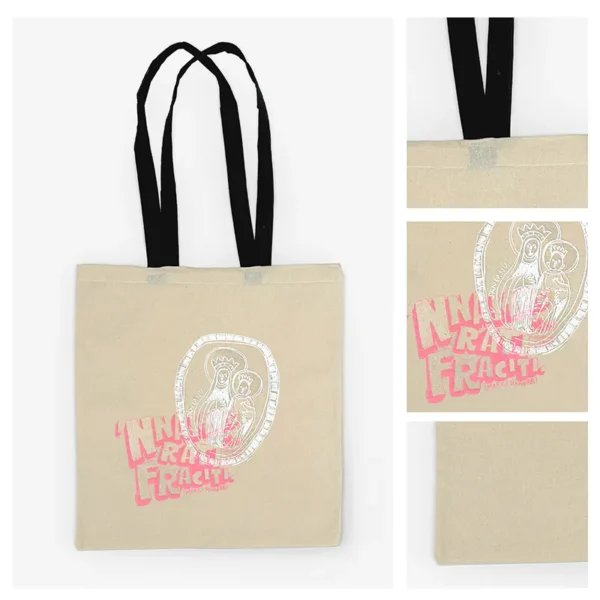
What does this taxonomy tell us? That language isn’t a sterile label, but a living social device: it shapes and negotiates affective expectations, regulations, and resistances. Words don’t describe relationships—they articulate, intervene in, and define them. And this is why, in MarcheLove, we turned them into visual figures, signs of a relational value system found nowhere else.

E ora tocca a te!

Come si dice nel tuo dialetto o nella tua lingua? Hai qualche aneddoto, ricordo o storia legato a questo detto/argomento ?

Raccontacelo nei commenti! Siamo curiosi di conoscere le tue esperienze e scoprire come la cultura locale lascia il segno anche nelle piccole cose. Scrivici, perché ogni storia arricchisce le nostre radici!

0 Commenti
Inline Feedbacks
Vedi tutti i commenti
E tu come lo dici? Condividi con noi

Fraciti (d’amore)

Valentine’s Day as a Process of Affective Fermentation.
In the Marche, love is not something you talk about — it is something you live as a transformation of the

Leggi Tutto »