“Li Vardasci come from the Sea”
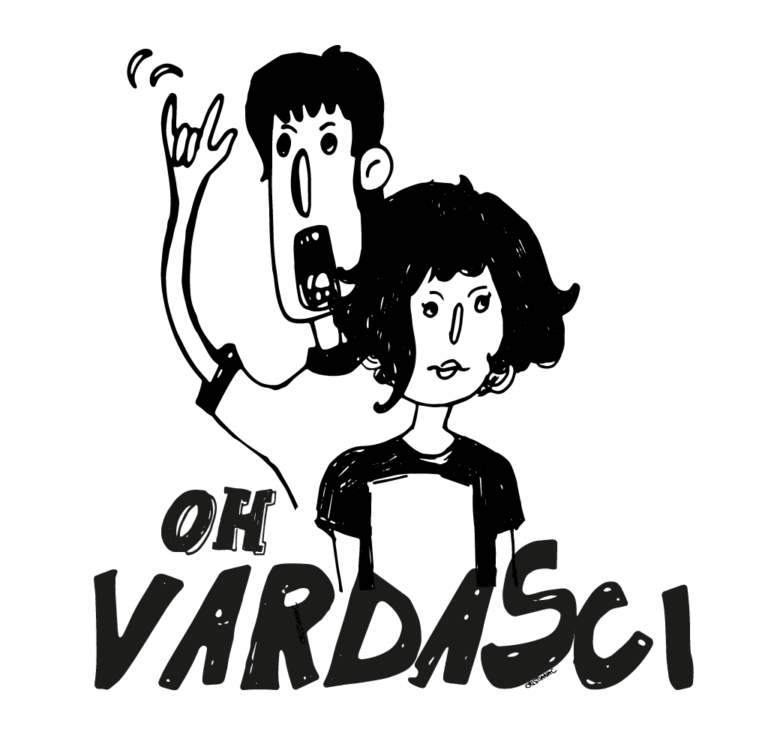
If you walk through the villages, squares, or along the Marchigian coast, sooner or later you’ll hear this word: Vardasci.
It’s not just an affectionate (or sometimes slightly mocking) way to refer to young people — it contains an entire world of rebellion, youth, and a touch of cheekiness. The term, widespread between the Macerata–Fermo area and the Ancona region (and also in several other central Italian regions), is a true must of the Marchigian dialect and carries a rich and intriguing history.
Etymology: Pirates, Slaves, and Rowdy Youth
“Vardasci” is not merely a “local” word — its origins are far-reaching, even exotic! The term seems to derive from the Persian “bardal”, which then passed through Arabic “bardag”, used to refer to young slaves likely brought here during Arab pirate raids between the 15th and 18th centuries. Yes indeed, li vardasci “come from the sea” — and not just metaphorically!
Over the centuries, however, the word lost all connotations of slavery and came to describe the lively, irreverent spirit of local youth. V/bardasciu for boys, v/bardascia for girls — two words that, just by sounding them, evoke the lightness and carefree energy typical of youth.
Like all dialect words, it comes with variations and nuances. In the Marchigian villages, it changes depending on the area: it can be bardasciu or vardasciu, depending on the degree of “spirantization” (that charming phenomenon where the “b” becomes “v”). In any case, the stress always falls on the penultimate syllable, giving the word its unique musicality.
And then there are the alterations: Vardascittu for a young boy, Vardasciona for a tall and strong girl, or Vardasciacci for those troublemakers who refuse to behave. In short, there’s a Vardascio for every personality!
Dialect note:
“Poru vardasciu, è sfurtunatu” (poor boy, he’s unlucky); “na vardascia che non je se po’ dì gnente” (a girl you can’t scold for anything); “sti vardasciacci vanno facenno li scherzi” (these little troublemakers are playing pranks); “Nunziata era ‘na vardasciona, arda e gròssa che ce vulìa na scala pe ‘rrialla” (Annunziata was a tall, strong girl, you needed a ladder to reach her)
li-vardasci-a-garzo
The Marchigian Vardasci carry with them that unmistakable sense of belonging to their land, without giving up a touch of modernity. They love nightlife, yet remain deeply connected to their roots, their town, and their community. In a way, the essence of li Vardasci is dual: rebellious yet respectful, modern yet traditionalist. Even though they are constantly immersed in the digital and social world, they know how to value conviviality and authenticity — the kind that only small Marchigian villages can offer.
They are a bit rebellious, but in their hearts they know exactly where they come from. That’s why, no matter how far they travel, no matter how much they explore the world, they always return to the Marche. After all, no matter how far you fly, something always brings you back: the scent of the sea, the rolling hills, and that sense of belonging that only those born here can understand.
So, dear vardasci mia, keep being who you are: free, rebellious, and proud of your roots.
And now it’s your turn! How do you say “Vardasci” in your dialect or language? Do you have any anecdotes, memories, or stories about the youth of your land? Share them in the comments! We’re eager to hear your experiences and see how local culture leaves its mark even in the smallest things. Write to us, because every story enriches our roots!