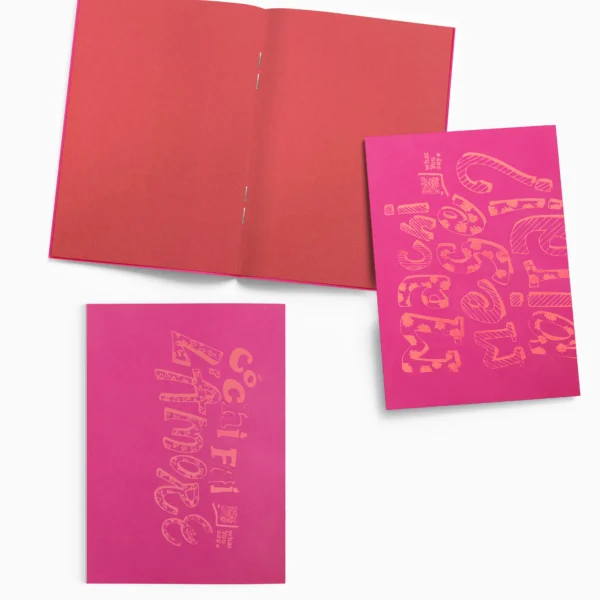
Fraciti (d’amore)

Valentine’s Day as a Process of Affective Fermentation

In the Marche, one does not simply speak of love; love is lived as a transformation of the body, of time, and of language itself. What if Valentine’s Day were less macaronic and more rotted?

The dialect expression fracitu — literally “rotten” — is used to describe overripe fruit, wine that has passed its organoleptic threshold, or someone who has drunk too much: ‘mbriacu fracitu (rotten drunk). When extended to relationships, it suggests something that does not merely flourish but decomposes and wounds, something that does not preserve itself but transforms.

In this sense,

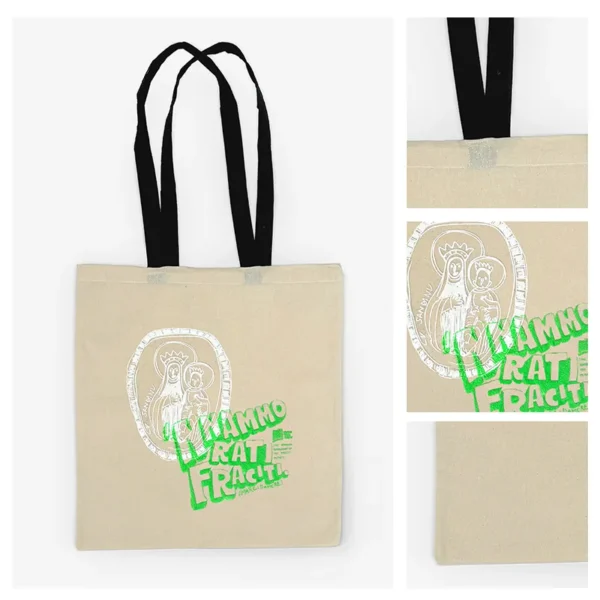
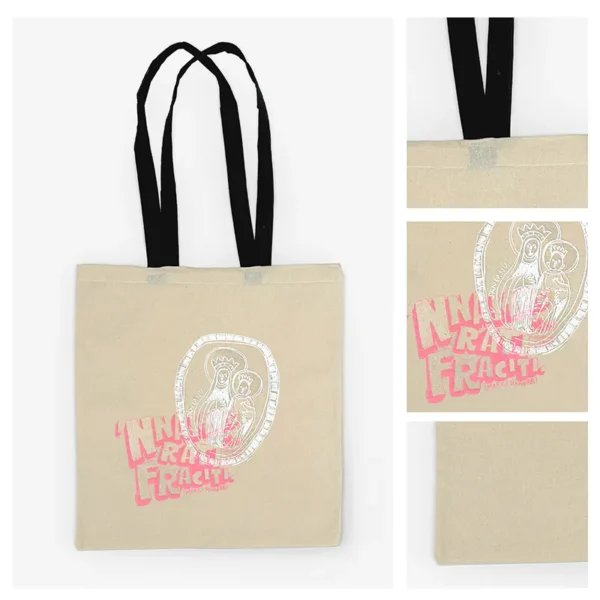
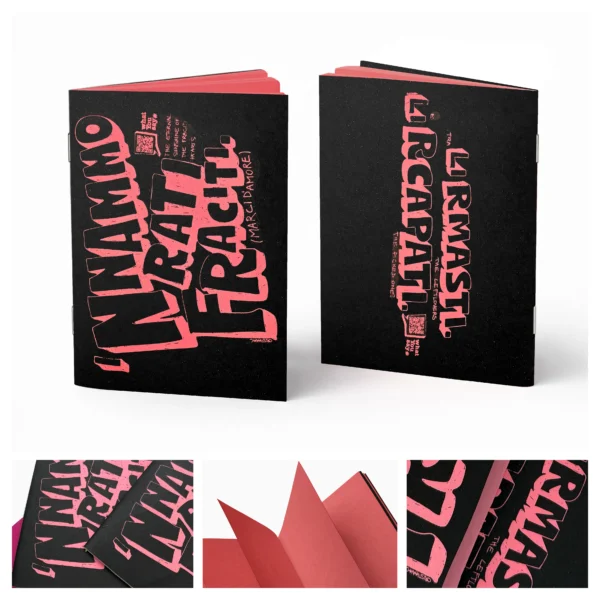
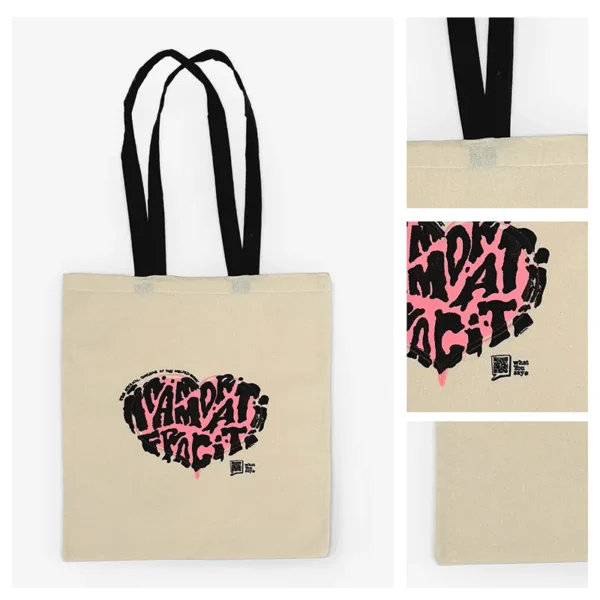
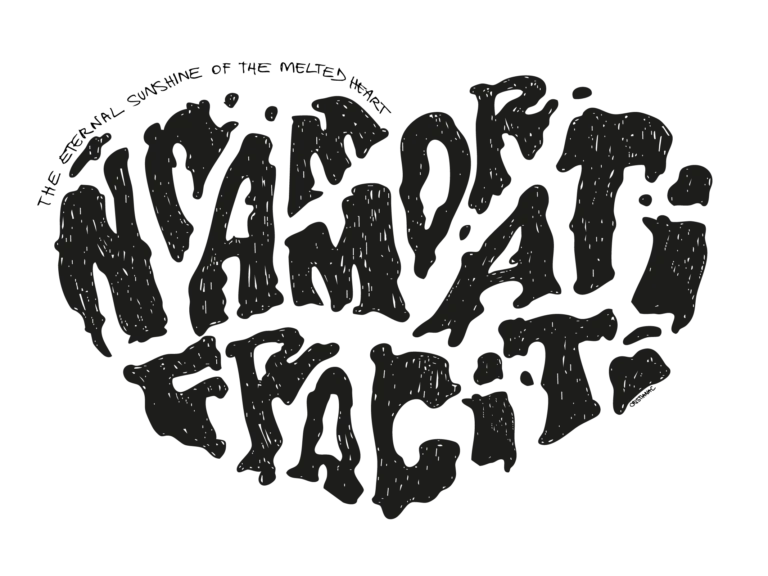
’NNAMMORATI FRACITI
0
How do you say it? Every word has a thousand shades. Share your version or tell us a story connected to this word.x
 are not simply “lovers”: they are relational subjects who have crossed the threshold of simple infatuation, liquefying the boundaries between individuals and creating a new collective affective territory. The “stuffed” heart is not a cute metaphor; it is the expression of a chemical, biological, social — and affective — process in which the object of love has been assimilated and transformed. It is a love that clings, that sticks, that becomes a claim to shared meaning and radical emotional dependency.

From a semiotic perspective, the dialect expression does not merely describe a feeling: it performs it. In the Marchigian language, words are actions — they shake, resize, bind — and fracitu is a sign that communicates processuality, not state. Here, love is not static; it breathes, ferments, coagulates. And therein lies its power: it is living language, not mere lexicon.

Anthropologically, this expression reveals how in rural communities affection is not only internal to the couple but also public: it concerns us, addresses us, defines us as a group. A fracita relationship is not private; it is a mirror of community, of social expectations, of shared time. Where dialect condenses a world, nnammorati fraciti are not just two people: they are a small community in themselves.

The playful translation “the eternal sunshine of the melted heart / farciti hearts” is not a betrayal but a semiotic acknowledgment that the word remains other than any global romantic cliché: it is an affective knot fatter, stickier, more violent than simple tenderness.

E ora tocca a te!

Come si dice nel tuo dialetto o nella tua lingua? Hai qualche aneddoto, ricordo o storia legato a questo detto/argomento ?

Raccontacelo nei commenti! Siamo curiosi di conoscere le tue esperienze e scoprire come la cultura locale lascia il segno anche nelle piccole cose. Scrivici, perché ogni storia arricchisce le nostre radici!

0 Commenti
Inline Feedbacks
Vedi tutti i commenti
E tu come lo dici? Condividi con noi

Li ‘Rmasti e li ‘Rcapati

“Leftovers, Picked Ones, Can’t Get Off This Ride, Wildly Unpairable”. In Marche dialect, these categories aren’t jokes—they’re lived experiences, social codes, and relational chemistry all rolled into words.

Leggi Tutto »