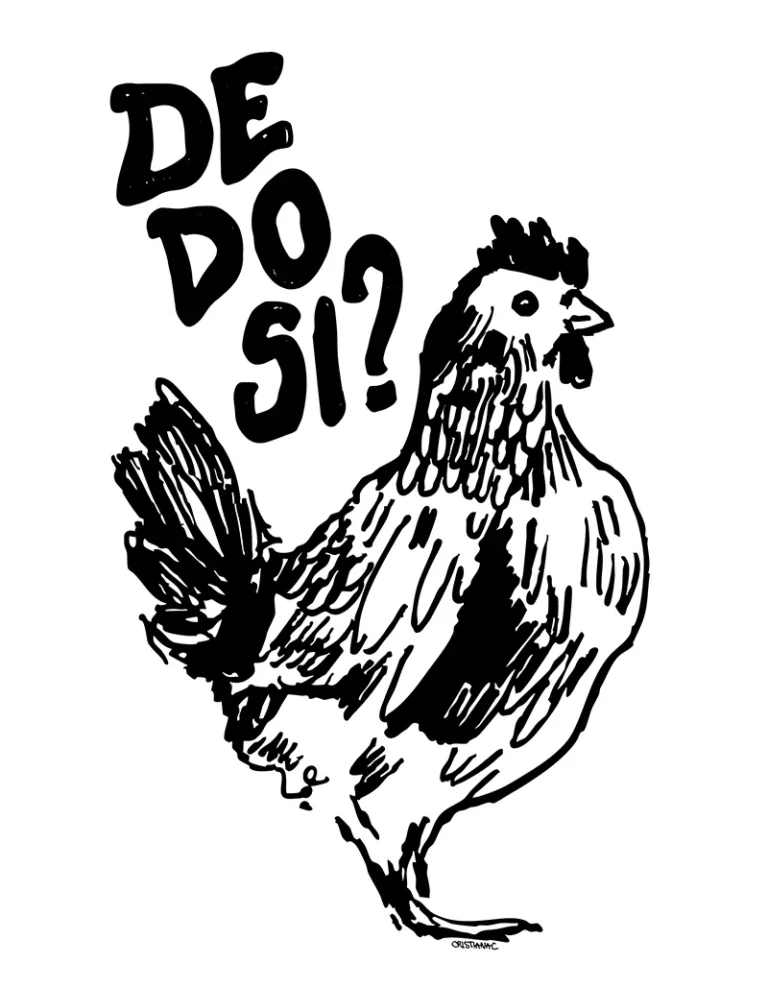
It literally means “Where are you from?”, and is used to ask about a person’s origin or background. But in reality, it is much more than a simple geographical question: it is a direct, almost informal way to start a conversation and establish a connection with the person you are speaking to.
The expression “De do si?” comes from Vulgar Latin, with “de” meaning “from”, and “do” deriving from Latin “unde” (from where). The pronoun “si” refers to the verb “to be”, emphasizing the question about the individual’s origin.
In everyday life, “De do si?” is not just a question, but also a way to immediately identify the speaker’s place of origin. In Marche, being a diverse region mostly made up of small medieval villages, origin is a very important key to deciphering someone’s cultural identity, customs, and even character. Saying “De do si?” for a person from Marche is a way of identifying oneself and “crossing” valleys and hills. Once the “where” is discovered, a connection is established that can continue with other stories and memories related to the places.
DE DO SI? three simple syllables to break the ice between strangers and explore roots, whether among friends, perhaps joking about each other’s origins, especially if there are friendly rivalries between towns or cities.
The answer to “De do si?” can generate funny situations, with stories that connect to people’s places of origin and the characteristics of people from those locations. It’s a greeting that never ceases to spark curiosity and that makes the Marche dialect so unique, deeply rooted in history and always present in everyday life.