Pantalò, Fattò, Vergà, and Garzò: The Marchigian Countryside Meets the Modern Office
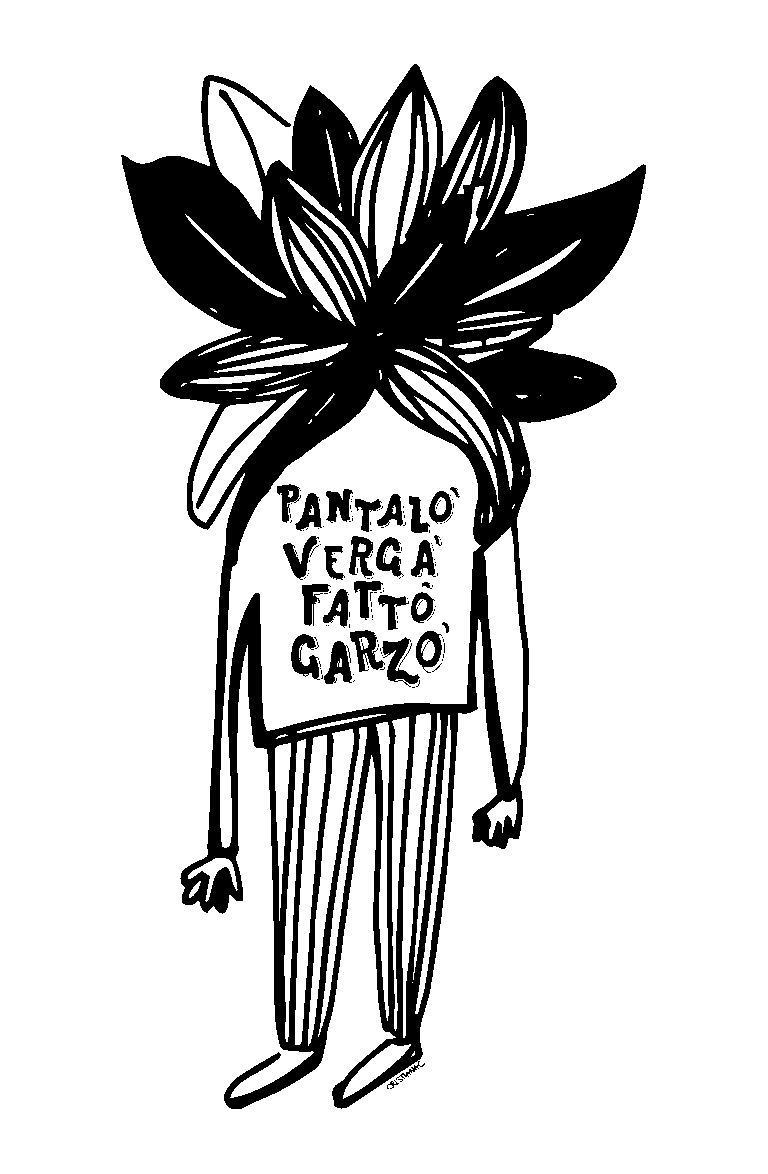
In the old Marchigian sharecropping society, there was a word for every role. It wasn’t just a system of work: it was a true social hierarchy, where everyone knew exactly their place. But if we look at these roles through a contemporary lens, they aren’t so far from the structure of a modern company. And so, let’s start with the introductions: Pantalò, Vergà, Fattò, and Garzò! From sharecropper to manager, from landowner to CEO: the names change, but “those who command, command… and those who work, work!”
Picture the corporate hierarchy: the CEO, the manager, the team leader, and the poor intern. Well, in the Marchigian sharecropping society, this structure existed long ago. Only the names were different, and everything happened in the fields, not in front of a computer. Here they are: lu Pantalò, lu Vergà, lu Fattò, and lu Garzò. Roles were clear, dynamics crystal-clear, and spoiler: those who command, command… and those who toil, toil!
Lu PANTALÒ0How do you say it? Every word has a thousand shades. Share your version or tell us a story connected to this word.x – The CEO and the “Country Noble”
Lu Pantalò was at the top of the pyramid, with a dual role: on one side, he could be the head sharecropper, the family reference managing the farmhouse; on the other, in higher hierarchies, he was the landowner, the country noble who “lent” his land to the sharecroppers. Back then, he set the rules, managed the harvest, and at the end of the season collected most of the produce. He was recognizable because he was rarely seen, but when he arrived, everyone lined up.
Today? He’s the CEO of a modern company or a big entrepreneur, owning the means of production and making strategic decisions. He rarely gets his hands dirty (except for occasional “field visits”), but without his approval, nothing moves. He’s the one at meetings saying: “Everything under control, right guys?” while enjoying the view from a fine desk. Signature trait: Elegance and authority. No calluses, just words.
Etymology: “Pantalò” comes from “pantalone”, a character from Italian commedia dell’arte and a symbol of power and authority.
Lu VERGÀ0How do you say it? Every word has a thousand shades. Share your version or tell us a story connected to this word.x – The Manager, Between Control and Strategy
Right after lu Pantalò, here comes lu Vergà: the organizational figure par excellence, the right hand of power. He supervised the work in the fields, the “conductor” ensuring tasks and timing were respected. With a sharp eye and firm attitude, he watched over everything and everyone. If someone slowed down, he was there to get things back on track. The perfect supervisor: never tired, always “on it”.
Today, he’s the manager, always with his agenda in hand and phone constantly buzzing, monitoring performance, updating spreadsheets, and sending emails like: “Let me know by tonight, thanks!” He delegates responsibilities, motivates (or scolds) the team, and always ends with: “If it weren’t for me…” Signature trait: Never satisfied at the end of the day.
Etymology: “Vergà” comes from virga, the rod symbolizing command and authority.
Lu FATTÒ0How do you say it? Every word has a thousand shades. Share your version or tell us a story connected to this word.x – The Team Leader Who “Does and Organizes”
The name says it all: lu Fattò is the one who “does,” the practical coordinator working shoulder to shoulder with others, but with added authority. He knew the work inside out, set the pace for collective labor, and could make operational decisions when needed. Closer to the workers than the bosses, he was always “in the middle” of the work, but with his own authority. In short? An operations manager.
Today, lu Fattò is the team leader, the bridge between managers and workers. He’s caught in the middle: accountable to “higher-ups” while solving problems on the ground. He gets his hands dirty and, if something goes wrong, he faces it head-on saying: “Don’t worry, I’ll fix it!” Signature trait: Never gives up. Complains, but solves.
Etymology: From “fattore,” meaning the manager of daily agricultural activities.
Lu GARZÒ0How do you say it? Every word has a thousand shades. Share your version or tell us a story connected to this word.x – The Tireless Worker
Finally, there’s lu Garzò, the beating heart of the sharecropping system. He was the youngest worker, often underpaid and invisible, who kept the work going without complaining too much. Without him, the land wouldn’t be worked, and the harvest wouldn’t arrive. Always last in line but first to get things done, never taking credit, poor Garzò.
Today? The Garzò is the multitasking employee, the laborer, the freelancer, the junior staff member, the one who starts at dawn and finishes after everyone else. First to toil, last to get recognition. Head down, hands moving, he’s the true engine of the “operation.” Because in the end, without lu Garzò, lu Pantalò is NOTHING. Signature trait: Works tirelessly, mutters under his breath.
Etymology: From “garzone,” meaning young helper or apprentice.
From the Field to the Office: Nothing Has Changed
The truth is, this “chain of command” will never die. Once hoes and plows, now keyboards and mice, but the story is always the same:
- Lu Pantalò commands.
- Lu Vergà supervises.
- Lu Fattò organizes.
- Lu Garzò works.
And if you think it’s different today, just look around at your next corporate meeting: the CEO smiling, the manager scolding, the team leader solving, and the poor intern thinking: “Why did I even do this?” In the end, in the Marche and in the world, “those who command, command… and those who toil, toil!”